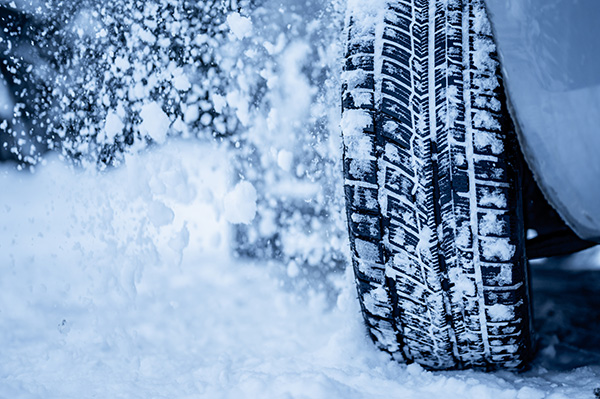
The first snow shows up, traffic slows to a crawl, and you watch cars sliding around on every corner. Somewhere in that mess, you start wondering if your all season tires are really enough or if this is the year you finally put winter tires on the list. The answer isn't the same for everyone, but there are clear signs pointing you toward a dedicated winter setup.
Why Winter Tires Matter More Than Many Drivers Think
Winter tires are not just “snow tires” from decades ago. Modern designs use softer rubber compounds and specialized tread patterns that stay flexible and grippy when the temperature drops. That flexibility is what lets them bite into cold pavement, slush, and packed snow instead of feeling like hard plastic.
All season tires try to cover a wide range of conditions, which means they become a compromise once it gets genuinely cold. The tread and rubber that work fine in spring and fall often stiffen up when the thermometer drops, and that is when stopping distances quietly get longer, even on roads that look dry.
How Local Weather Affects Your Tire Choice
Deciding on winter tires starts with looking honestly at your winter weather and how you drive in it. If your winter includes regular overnight freezes, frequent light snow, and enough icy mornings that you find yourself nervous on side streets, winter tires are worth serious thought.
It is not just about big blizzards. Many drivers run into trouble on those “dusting of snow over cold pavement” days when plows have not caught up and side roads are polished by traffic. If that sounds like your usual winter, and you are driving daily instead of parking the car during storms, winter tires can be a real upgrade in control.
Tread Depth and Rubber Clues You Can Check at Home
Your current tires can tell you a lot about whether they are ready for winter. A quick driveway check can include:
- Tread depth: below about 4/32 inch, most all season tires lose much of their snow and slush grip
- Uneven wear: bald shoulders, cupping, or flat spots all reduce winter traction
- Age: rubber that is six or more years old tends to harden, even if the tread looks decent
- Feel: on a cold morning, a very stiff tread block you can barely press with a fingernail is not going to grip like a fresh winter tire
We have seen plenty of drivers try to squeeze one more winter out of a set of tired all seasons, then end up in the shop for suspension or body repairs after a slide that better tires could likely have prevented.
Driving Symptoms That Suggest You Need Winter Tires
Pay attention to how the car behaves in early winter storms. If you are already seeing trouble with just a bit of snow and slush, winter tires move from “nice idea” to “sensible upgrade.” Warning signs include a lot of ABS pulsing and sliding even under light braking, the traction control light flashing constantly when you pull away from stop signs, and the vehicle drifting sideways more than you expect on gentle curves.
If you find yourself white knuckling every cold, wet morning, leaving huge gaps in traffic because you do not trust your stopping distance, or avoiding certain hills completely, that is your daily driving telling you the current tires are out of their depth. Winter tires will not change physics, but they give the car a much better chance to respond the way you want when it gets slick.
Which Vehicles Benefit Most From Winter Tires
Any vehicle can gain from better winter traction, but some really stand out. Lighter front wheel drive cars, powerful rear wheel drive models, and SUVs on wide, low profile all seasons can all struggle when the roads get sloppy. In many cases, people think they need all wheel drive to feel secure, when a good set of winter tires on a two wheel drive car can make just as big a difference for day to day driving.
We have seen modest front wheel drive cars on proper winter tires drive circles around large SUVs on worn all seasons in the same parking lot. All wheel drive helps you get moving, but only the tires determine how well you can steer and stop. That is why we talk about tires first when someone asks how to make their current vehicle safer for winter.
When All Season Tires Are Still Enough
There are times when you can reasonably stick with all seasons. If your winters are fairly mild, you rarely drive early in the morning or late at night, and you stay off the roads in the worst storms, a good set of newer all seasons with plenty of tread can be acceptable.
The key is being honest about your habits. If you work from home, pick your travel times, and keep your distance, you live a different winter driving life than someone commuting every day regardless of conditions. Our technicians can look at the tread, check tire age, and talk through your driving to help you decide if all seasons are still a realistic choice for another year.
Get Winter Tires in Hanover Park, IL with Kamphaus Auto Care
If you are unsure whether your current tires are up to another winter, a quick inspection and honest conversation can make the decision much easier. We can check tread depth, tire age, and wear, then recommend whether winter tires, fresh all seasons, or a rotation will give you the best grip for how you drive.
Schedule winter tire service in Hanover Park, IL with Kamphaus Auto Care, and we will help you head into the cold season with more confidence and control.