Posted on 8/28/2026
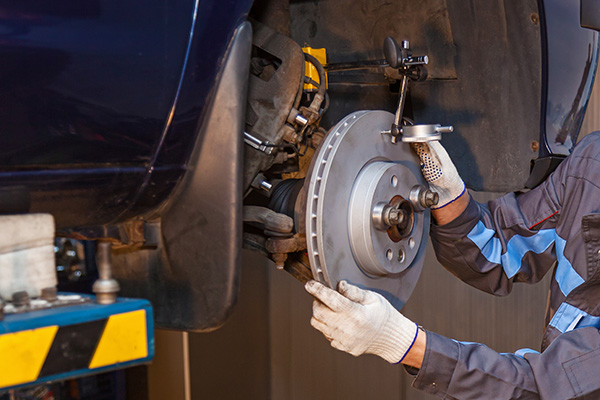
An ABS warning light can come from something as simple as one bad wheel-speed signal or something deeper inside the hydraulic control unit. From the driver's seat, those failures can look almost identical. The ABS light comes on, traction control may shut off, and the regular brakes can still feel completely normal. That is where testing becomes important. A trouble code can point us toward one wheel or toward the ABS itself, but we still need to find out whether the sensor, wiring, bearing, or control module is actually responsible. What the Wheel Speed Sensors Are Doing Wheel speed sensors tell the ABS computer how fast each wheel is rotating. During braking, the module watches those signals for a wheel that is slowing much faster than the others. If it sees one approaching lockup, it can quickly adjust hydraulic pressure at that wheel. Traction control uses much of the same information. That is why one faulty sensor signal can turn on several warning lights ... read more
Posted on 7/31/2026

A used car can look great during a quick walkaround and still come with years of neglected maintenance underneath the surface. Freshly cleaned paint, a spotless interior, and a smooth test drive can make a strong first impression, but they do not tell you whether the oil was changed on time, the transmission was serviced, or warning lights were cleared shortly before the vehicle was listed for sale. At our shop, we recommend looking at a used car’s service history before getting too attached to it. Maintenance records can help you understand how the vehicle was treated, what work has already been completed, and which expenses may be waiting for you after the purchase. A complete history is not a guarantee that the car is perfect. Missing records do not automatically mean the vehicle is bad either. The goal is to gather as much information as possible, compare it with the condition of the car, and make a decision based on evidence instead of appearance alone. Start With ... read more
Posted on 6/26/2026
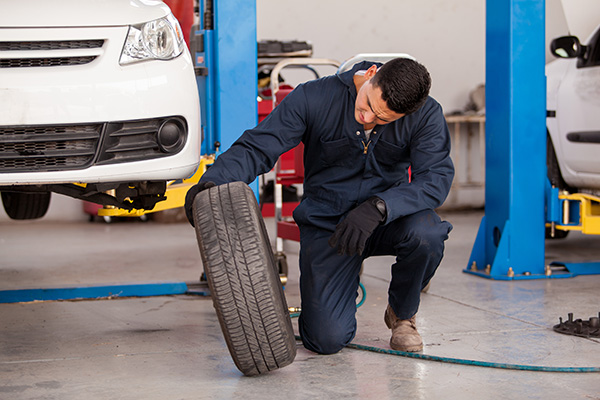
Every time you pull into our service bays for a routine oil change, you will probably hear one of our service advisors ask if you want to rotate your tires too. To many drivers, this sounds like just another line item on a menu or an unnecessary add-on designed to bump up the bill. After all, your tires are already rotating every single time you drive down the road, right? At our shop, we like to demystify car care. When we talk about a tire rotation, we mean moving your wheels from one position on the vehicle to another, like swapping the front tires to the back. It is one of the most affordable and simplest maintenance steps you can take, yet it has a massive impact on your wallet, comfort, and safety. If you have been skipping this service, we want to share exactly why this quick shop visit is worth every penny. The Problem With Uneven Weight Distribution Your car might look perfectly balanced from the outside, but your tires experience two completely different w ... read more
Posted on 5/29/2026
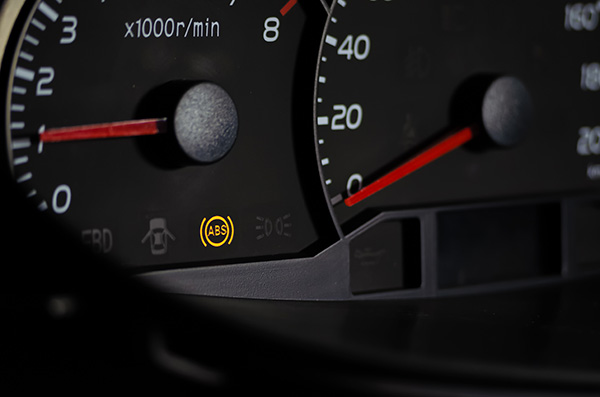
Two warning lights at once can make the problem look bigger than it really is. The ABS light comes on, the traction control light follows, and the car may still brake and drive normally. It feels confusing because those systems sound separate. In many vehicles, ABS and traction control use the same wheel speed information. If one wheel speed sensor stops sending a clean signal, both systems may lose the data they need. One minor sensor issue can trigger multiple warnings on the dashboard. What A Wheel Speed Sensor Does A wheel speed sensor measures how fast each wheel is turning. The vehicle uses that information for anti-lock braking, traction control, stability control, and sometimes transmission or all-wheel-drive behavior. ABS uses wheel speed data during hard braking. If one wheel starts to lock up, the system can adjus ... read more
Posted on 4/30/2026

A shaking steering wheel during braking is hard to ignore. It can start as a slight vibration and, over time, turn into a noticeable wobble. Some drivers feel it only at higher speeds, while others notice it even during normal stops. This kind of feedback usually means something in the braking or suspension system is not working evenly. The sooner you understand the cause, the easier it is to fix before it spreads to other components. Warped Brake Rotors Are a Common Cause Brake rotors need a smooth, even surface to work properly. Over time, heat and wear can cause them to become uneven or slightly warped. When that happens, the brake pads cannot make consistent contact. As you press the brakes, that uneven contact creates vibration that travels through the steering wheel. The harder you brake, the more noticeable it becomes. Uneven Brake Pad Wear Brake pads wear down over time, but they should wear evenly. If one side wears faster than the other ... read more
Posted on 3/27/2026
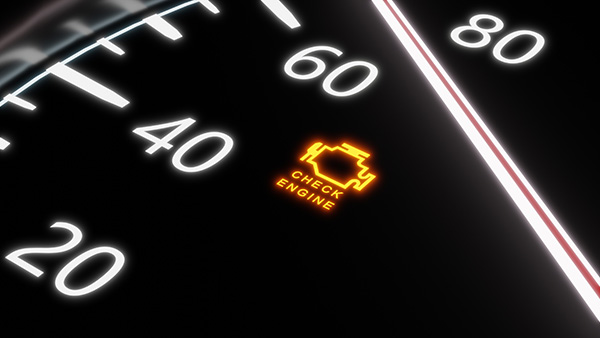
A flashing check engine light can change the situation fast. A steady light gives you some time to plan your next step, but a flashing light is different because the car is telling you the problem is active right now, not just stored in memory for later. That warning should be treated as urgent. Why A Flashing Light Is More Serious Than A Steady One A flashing check engine light usually means the engine is misfiring badly enough to threaten the catalytic converter. When a cylinder misfires, the fuel is not burning as it should inside the engine. Instead, some of that raw fuel enters the exhaust, where it can overheat the catalytic converter and damage it quickly. That is why the light flashes instead of staying on steadily. The car is not giving you a mild reminder. It is warning you that continued driving can turn one repair into several. What Causes A Flashing Check Engine Light Most Often In most cases, the cause is an active misfire. Spark pl ... read more
Posted on 2/27/2026
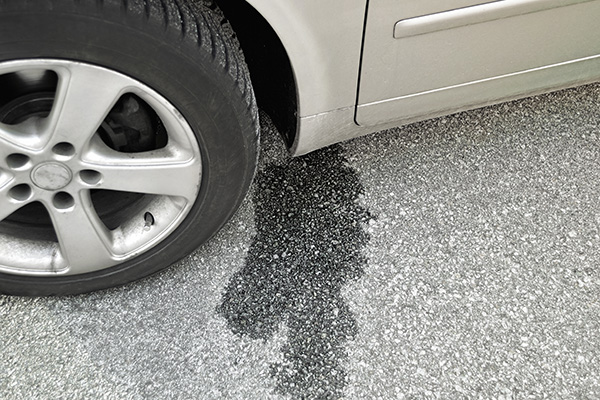
Coolant usually does not vanish overnight. More often, the level drops slowly until you suddenly realize you’ve topped it off three times in a month. The tricky part is that many coolant leaks never leave a puddle, so drivers assume nothing is wrong. A quick inspection can catch these early before the system runs low and starts overheating on a hot day or in stop-and-go traffic. 1. Radiator Cap And Overflow Hose Seepage The radiator cap does more than keep coolant in. It holds pressure, and pressure raises the boiling point so the system can handle heat. If the cap seal is weak or the neck is slightly corroded, coolant can vent as vapor and you may never see it drip. The overflow hose and the connection at the reservoir can also seep, especially as plastic and rubber age. Look for crusty residue around the cap area, the reservoir seam, or the hose connection. That dried residue is often the only clue that a small loss has been happening for a while. ... read more
Posted on 1/30/2026
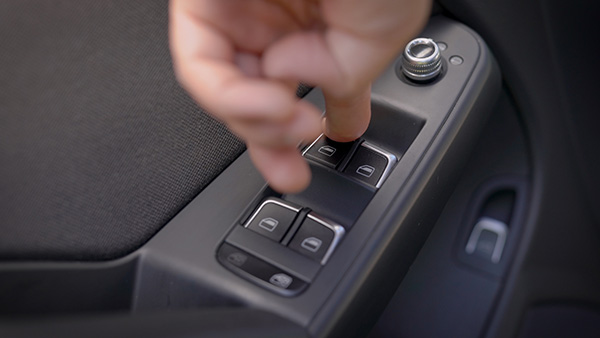
A power window that gets stuck down is more than a minor annoyance. It turns into a security problem, a weather problem, and a distraction every time you drive. Most people try the switch a few more times, listen for sounds inside the door, and then wonder if the motor is done. Sometimes it is the motor. Other times, it is something simpler inside the door that finally wears out. The best way to avoid wasting money is to be aware of the most common failure points and the clues they leave behind. What Happens Inside The Door When You Press The Switch A power window system is a chain. The switch sends a signal. The window motor turns. The regulator controls the glass's up-and-down motion. Tracks and guides keep the glass aligned. Wiring and connectors feed the system power. If any one part of that chain fails, the window can stop working. The symptoms usually point toward which link broke, especially if you pay attention to what you hear and what changed leading ... read more